
Itinerary
Itinerary
-
Arrival in Haridwar by 3:00 PM. Check in, rest, and meet your fellow yatris. The Ganges enters the plains here after flowing 250 km from its origin in the Himalayas — the city itself is a powerful field of energy.
-
Sacred site visits in Haridwar. We visit shrines dedicated to Baba Sri Chand and Guru Nanak in and around Haridwar.
-
Intensive meditation and sadhana session at the hotel. A full day to go inward before the journey into the mountains begins.
-
Early morning departure at 5:00 AM from Haridwar to Govindghat — approximately 10 hours by road through the foothills and up into the mountains. Overnight stay in Govindghat (1,828 m).
-
Early morning trek from Govindghat to Gobind Dham. 13 km on foot, 4–7 hours. Altitude rises to 3,049 m (~10,000 ft). The path zig-zags steeply up a hillside through dense forest. Overnight in tents at Gobind Dham.
-
The peak day. Early morning trek to Siri Hemkunth Sahib — 6 km, 2–4 hours, reaching 4,329 m (~15,000 ft). Sacred dip in the Healing Lake. Kirtan, meditation, and darshan in the Gurdwara. Begin descent early — weather is unpredictable. Return to Gobind Dham by evening.
-
Trek to Valley of Flowers National Park — 5 km, approximately 2 hours. Sadhana and meditation in this sacred valley of Rishi Dushat Daman. Return to camp by evening.
-
Trek back from Gobind Dham down to Govindghat.
-
Drive from Govindghat to Badrinath — approximately 1.5 hours.
-
Visit to sacred places in Badrinath, one of the holiest sites in India.
-
Long drive from Badrinath back to Haridwar — approximately 10–12 hours.
-
Yatra concludes in Haridwar by 11:00 AM. Departures.
The Yatra —
An Overview
Begining of Journey
Travelling to Siri Hemkunth Sahib — Overview
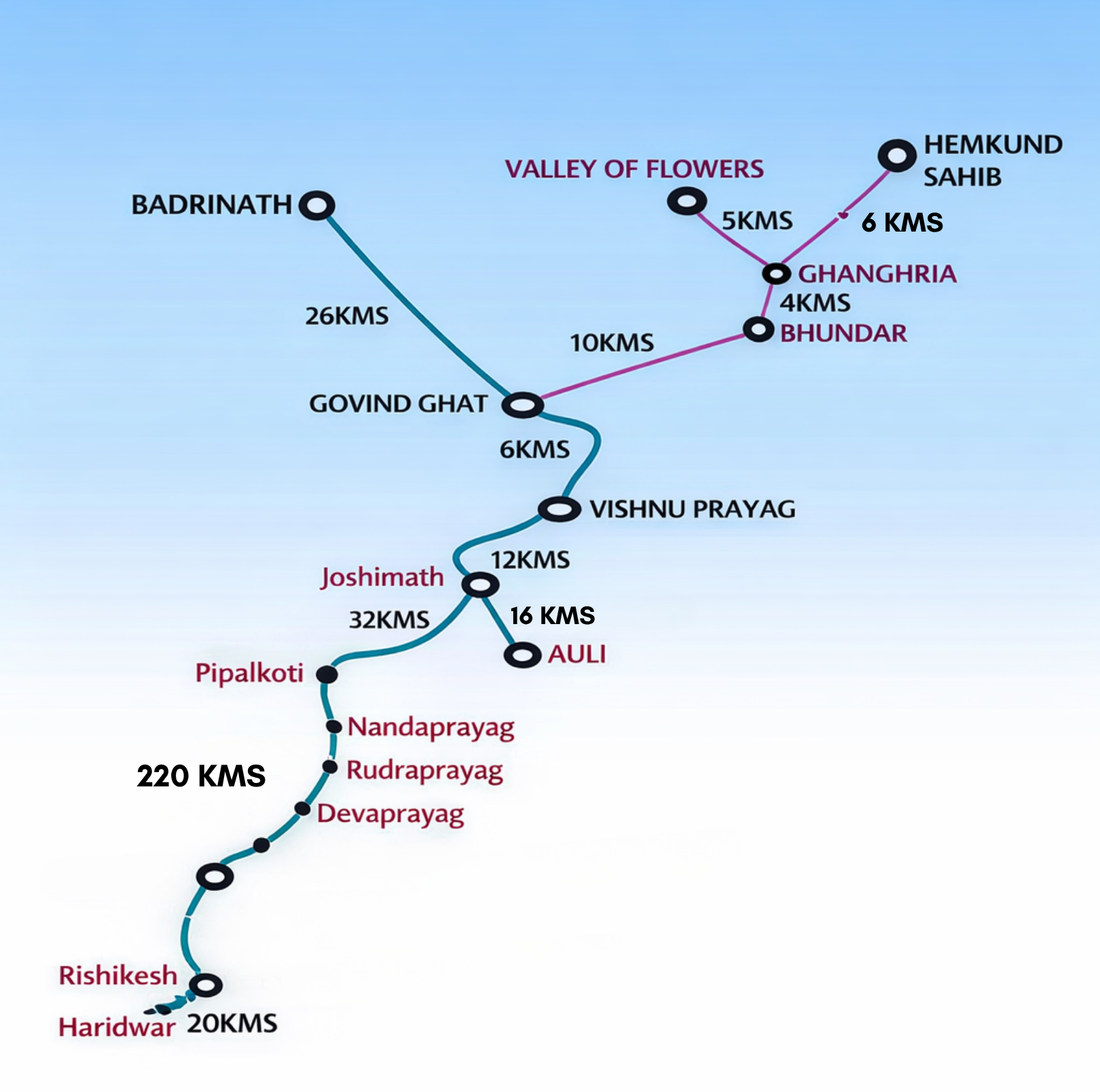
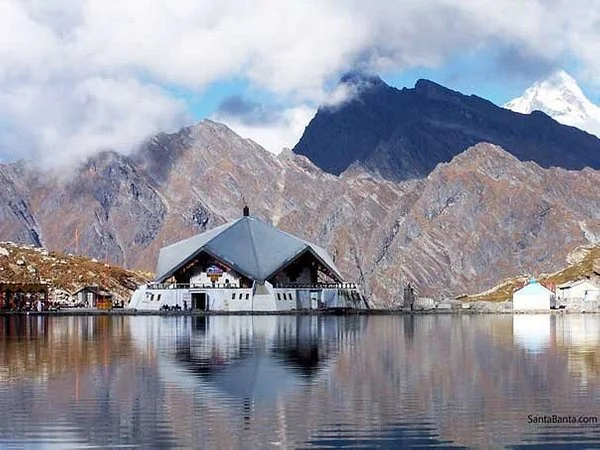
Hemkund Sahib is located in Uttarakhand, India, with a setting of a glacial lake surrounded by seven mountain peaks. It is located in the Himalaya Mountains at an elevation of 4632 meters (15,200 ft). It is accessible only by foot from Gobindghat on the Rishikesh-Badrinath highway.
Getting to Haridwar
-
The nearest international airport is Indira Gandhi International Airport. Participants are advised to arrive in New Delhi.
You can take a domestic flight, train, taxi or bus to Haridwar, where we would all meet. We strongly suggest you take a flight or hire a taxi as it is faster and very affordable.
-
From New Delhi to Haridwar, the following travel options are available:
Take a domestic flight from New Delhi to Jolly Grant Airport (Dehradun). From the airport, Haridwar is approximately a 30–45 minute drive.
For more details:
http://www.rome2rio.com/s/Delhi-Airport-DEL/Haridwar
https://www.rome2rio.com/s/Nearby-Airports/Haridwar
http://www.haridwartourism.in/How-To-Reach/Jolly-Grant-Airport-Dehradun.html
-
Taxis are available from the airport itself. It takes about 4-5 hours to drive to Haridwar.
India Taxi Online www.indiataxionline.com
Delhi to Haridwar Taxi +91-11-65686666, +91-9540000804
New Delhi to Haridwar
09711823208, 09458900168
Dehradun Airport to Haridwar 09690749753
Haridwar
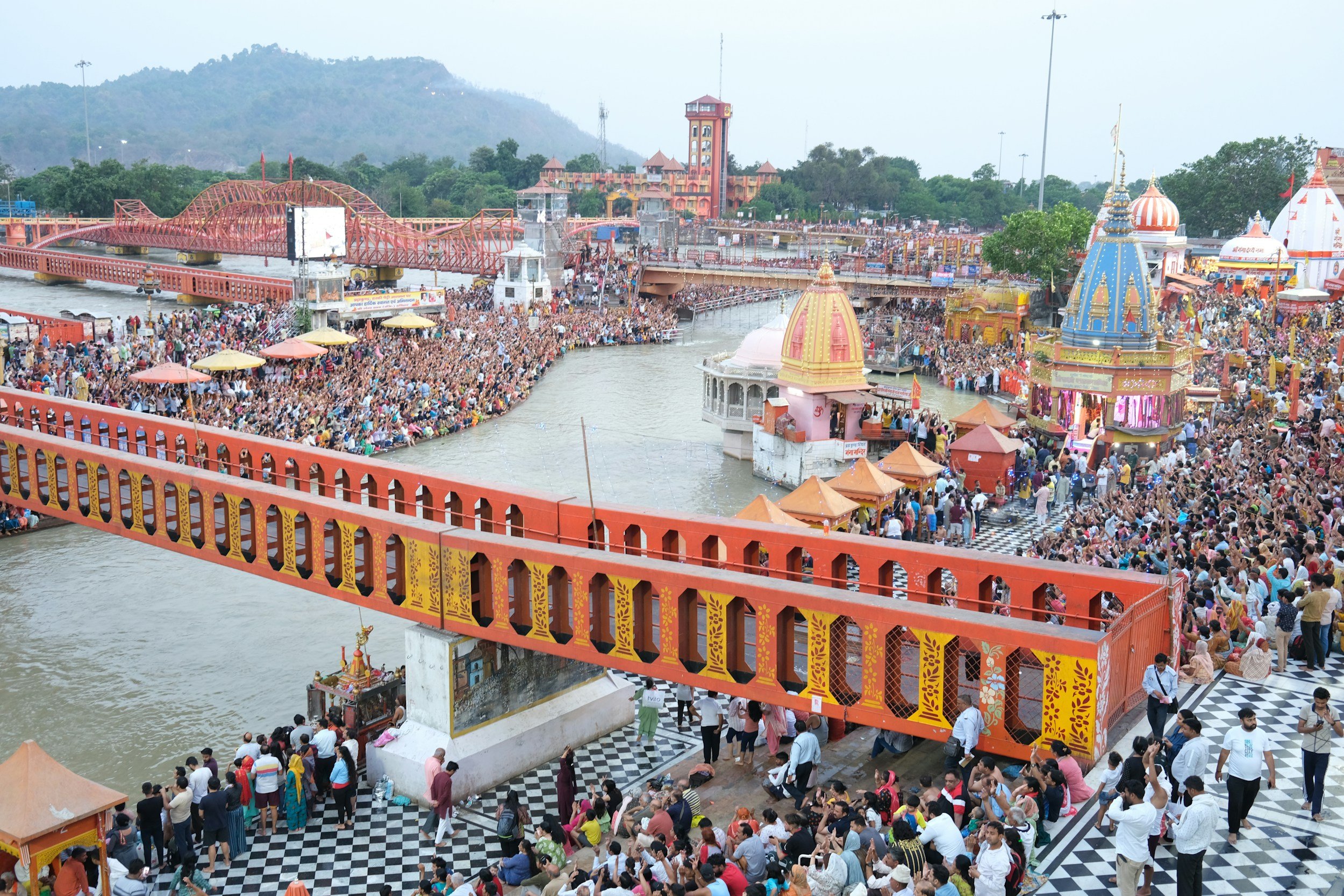
Haridwar Sacred Gathering
Our meeting place is Haridwar. (Hotel Address would be updated soon)
Haridwar is the place where the river Ganges enters the plains after flowing 250 kms from its origin Gaumukh. It is one of the oldest living cities in the world.
We would be visiting a number of shrines dedicated to Baba Sri Chand and Guru Nanak in Haridwar and meeting with the ancient lineage holders of various Yogic traditions. A bath in the sacred river Ganges, the waters of which have witnessed millions of enlightenments of some of the greatest yogis of the world.
Himalayan Travel Progression
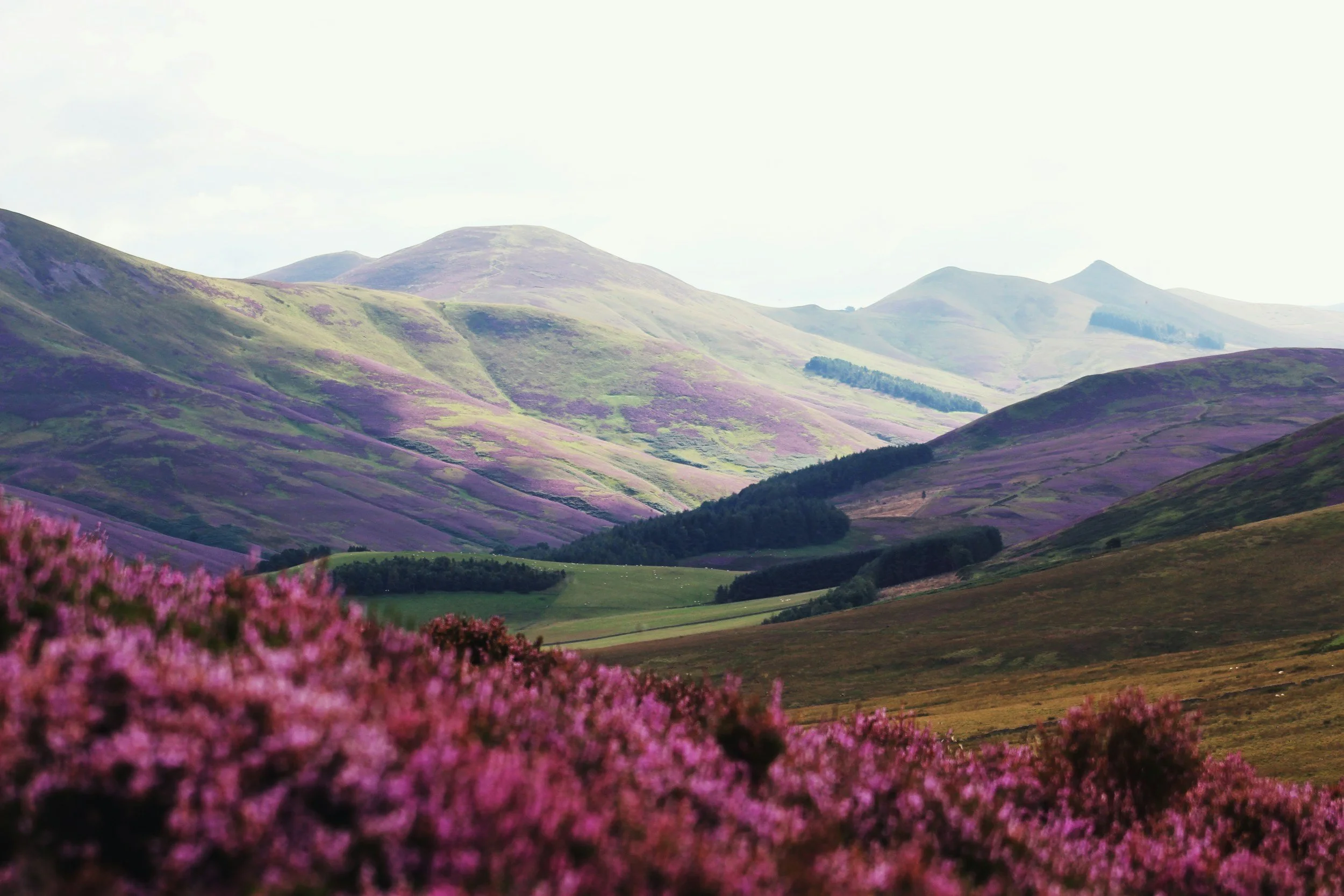
After the celebrations we would start our journey through towns of Rishikesh, Joshimath, Badrinath, GobindGhat etc. The journey offers a unique glimpse of centuries old history, culture and traditions in the backdrop of breathtaking Himalayan scenery.
We would be staying at various sacred sites. Accommodation would be in hotels except for Flower Valley, where we would be tenting.
Tenting / Meditation / Sadhna — Flower Valley
There are about 520 species of flowering plants and the area was declared a National Park in 1982. Animals like Himalayan black bears, musk deer, brown bears, Bharal and a rich variety of birds and butterflies are found in this national park.
Legend has it that a flower called Brahma-Kamal blossoms here every 12 years.
Once a lifetime opportunity to sit in the lap of the mighty living Himalayas and doing the highest practice, Kundalini Yoga & Meditation.
We would be doing a 3 day tenting in this sacred valley of Rishi Dushat Daman.
Distances and Altitudes
-
265 km by road, 12 hours
GobindGhat — 1828 m altitude -
13 km by footpath, 4 to 7 hours
GobindDham — 3049 m altitude (~10000 ft) -
6 km by footpath, 2 to 4 hours
Hemkund Sahib — 4329 m altitude (~15000 ft) -
5 km by footpath, 2 hours
Valley of Flowers — 3500+ m altitude
GobindGhat — Beginning the Foot Journey
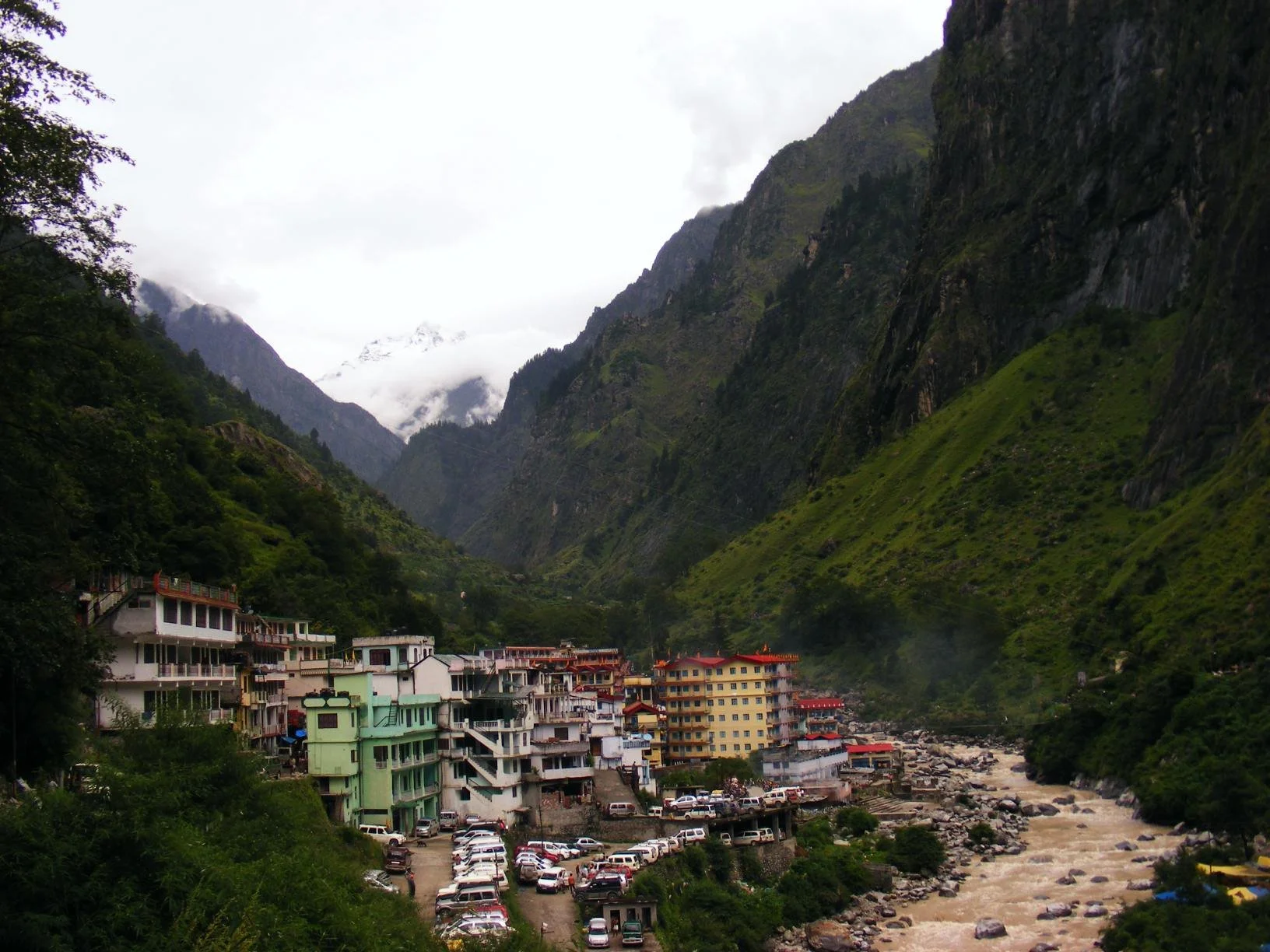
We would be starting our journey on foot from GobindGhat as early in the morning as possible. The journey by foot to GobindDham takes approximately 5 to 7 hours. By pony or mule it takes 4 hours.
The path from GobindGhat to GobindDham is approximately 12 km. It zig-zags up a steep hillside for the first 2 km, then levels out.
Pulna village (2,104 m) is visible 3 km above GobindGhat and is winter residence of valley inhabitants. From Pulna it is 5 km to Bhyundar (2,592 m). Crossing Lakshman Ganga bridge indicates only 3 km remain to GobindDham.
Gobind-Dham
Food and goods selection is limited because all supplies are transported by mule or porter. Prices can be high.
A private company pitches tents for accommodation. We would be tenting here.
Journey from GobindDham to Hemkund Sahib
The journey to Hemkund Sahib can take as little as 1½ hours or as much as 6 hours. Average journey is 3 to 4 hours.
Because of uncertain weather conditions, departure from GobindDham should occur early. We would be starting between 5 and 6 a.m.
The path from Ghangaria to Hemkund is approximately 6 km.
Experience at Siri Hemkunth Sahib
Tea is available continuously in the Gurdwara. If planning to bathe in the lake, do it before taking tea and before body temperature cools from climbing.
Men and women take sacred dips on separate sides of the lake.
Facilities exist to check shoes before entering the Gurdwara. Remove footwear on lower storey, cover head, and climb cement steps.
Sri Guru Granth Sahib is enshrined under a brass canopy. Blankets are available for visitors.
Morning chanting ends around 10:00 a.m. with Ardas and again at 1:00 p.m. daily. Kirtan continues throughout the day. Langar of tea and Khichri is served following Ardas.
Weather conditions are unpredictable. Begin descent to GobindDham early. Descent takes 1 to 2 hours, possibly longer with rest or difficult trail conditions. Sunset occurs around 6 p.m.
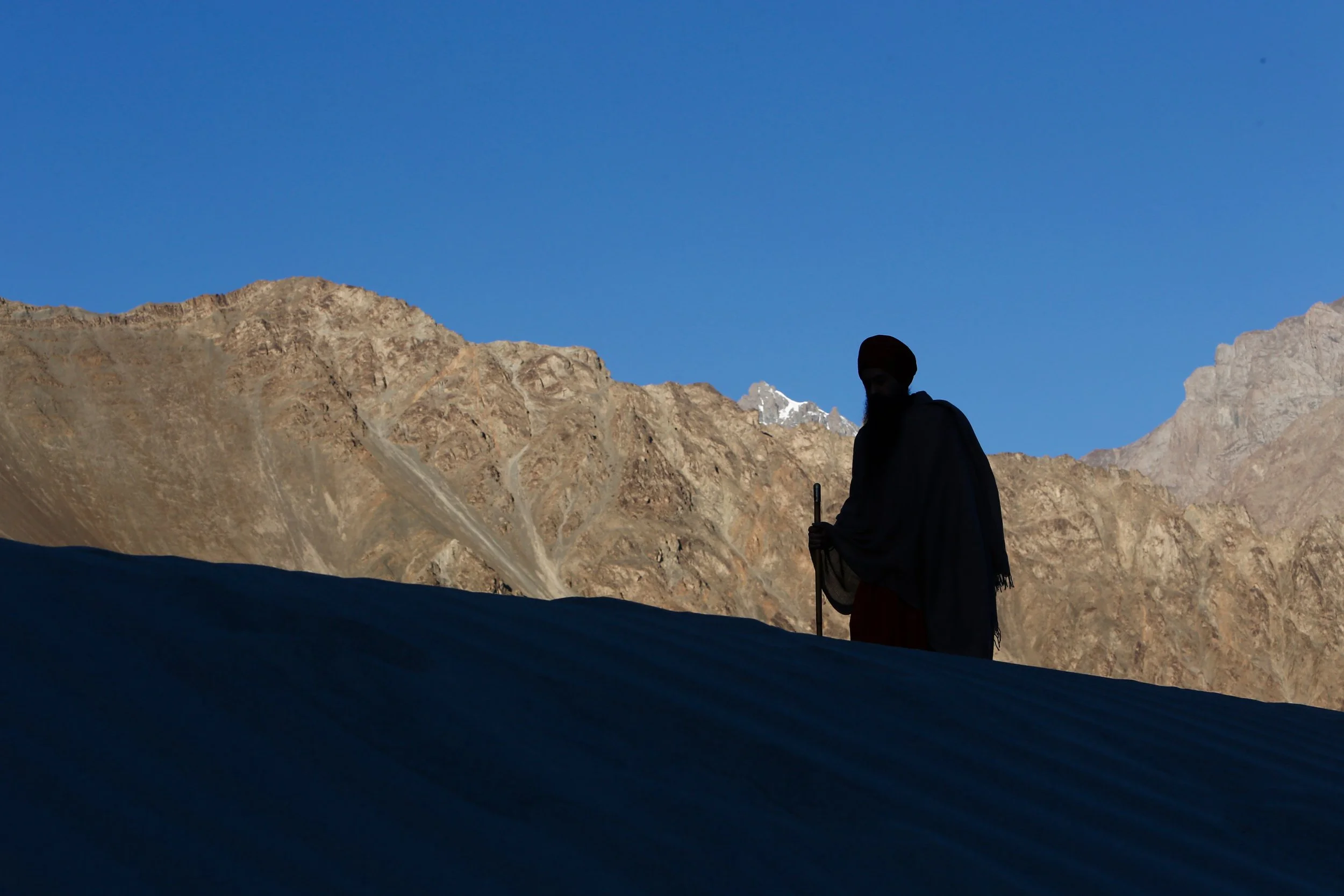
“Connect with the mountains, the peaks, the trees. They are most conscious yogis on the planet earth. You would find “Yoga” here, everywhere, the trees are standing in tree poses, the mountains are in mountain poses, the clouds are in Simran; constant remembrance.
The idea to come here is to sit in their lap, it’s called Satsangh; to sit in the company of those who have dissolved. Those who have stopped in the present moment, those who have sat still, no movement, only beingness, only pure presence remains.
Let me introduce you to these beings, who have been worshiped by the ancient ones as Gods.”
-Yogi Amandeep