
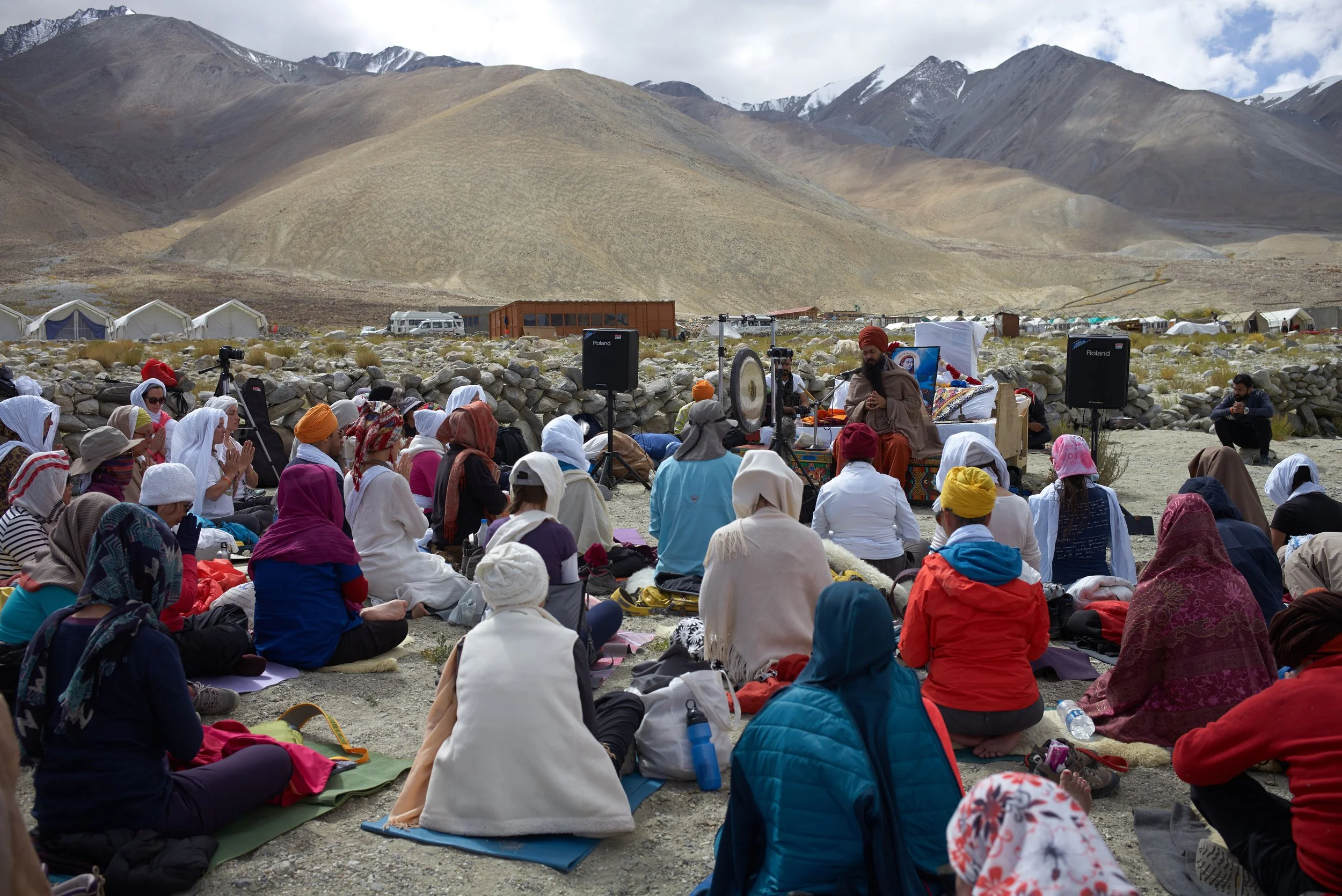
Journey into the Himalayas
PILGRIMAGE MANUAL
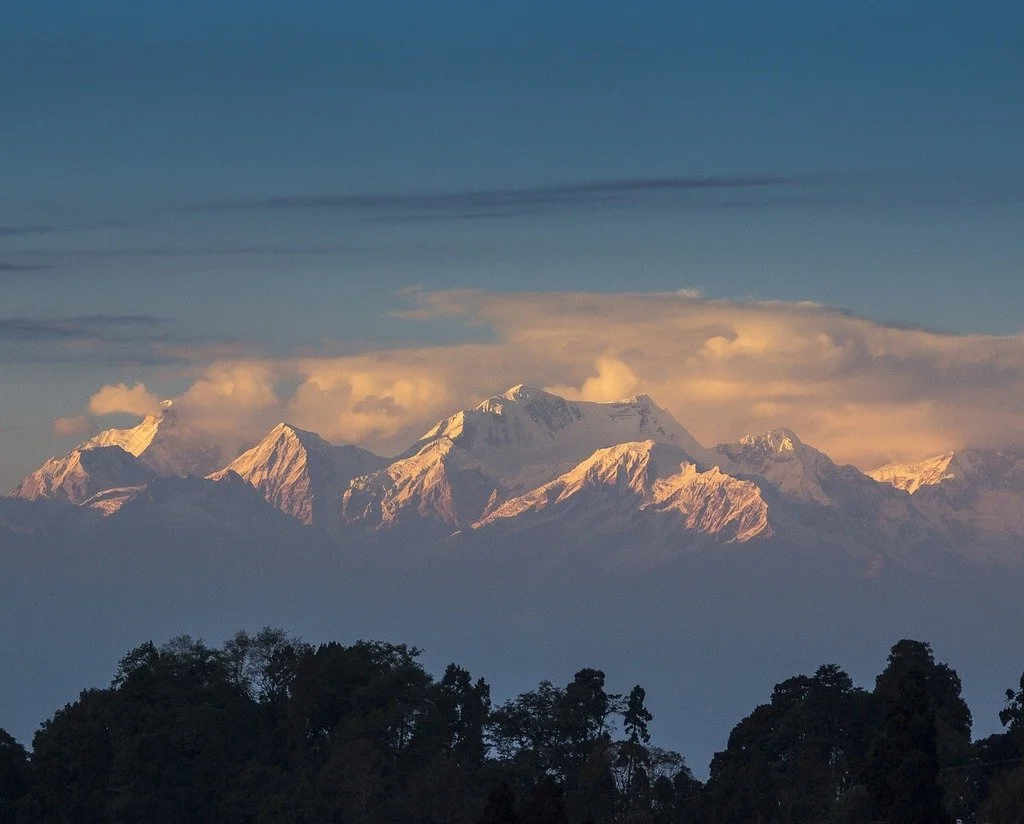
Visit one of the most important and powerful energetic nerve channels of the earth, in the Himalayas, on a glacial lake surrounded by seven peaks, known as the Sushmana, the spiritual nerve of Mother Earth, source of all life on the planet that sustains the energetic balance.
Experience powerful charged fields of consciousness and the abode of the great yogi, Rishi Dushat Daman, who meditated three and half billion years in his radiant body, and out of compassion, reincarnated as Guru Gobind Singh in the Iron age. The Puranas, the oldest annals of human history, mention him with great reverence as the primal sage, and even the Devas, the forefathers of the human race, longed for his presence.
The Yatra —
An Overview
PART I — THE SACRED LANDSCAPE & SPIRITUAL SIGNIFICANCE
Flower Valley —
Gift of the Higher Realms
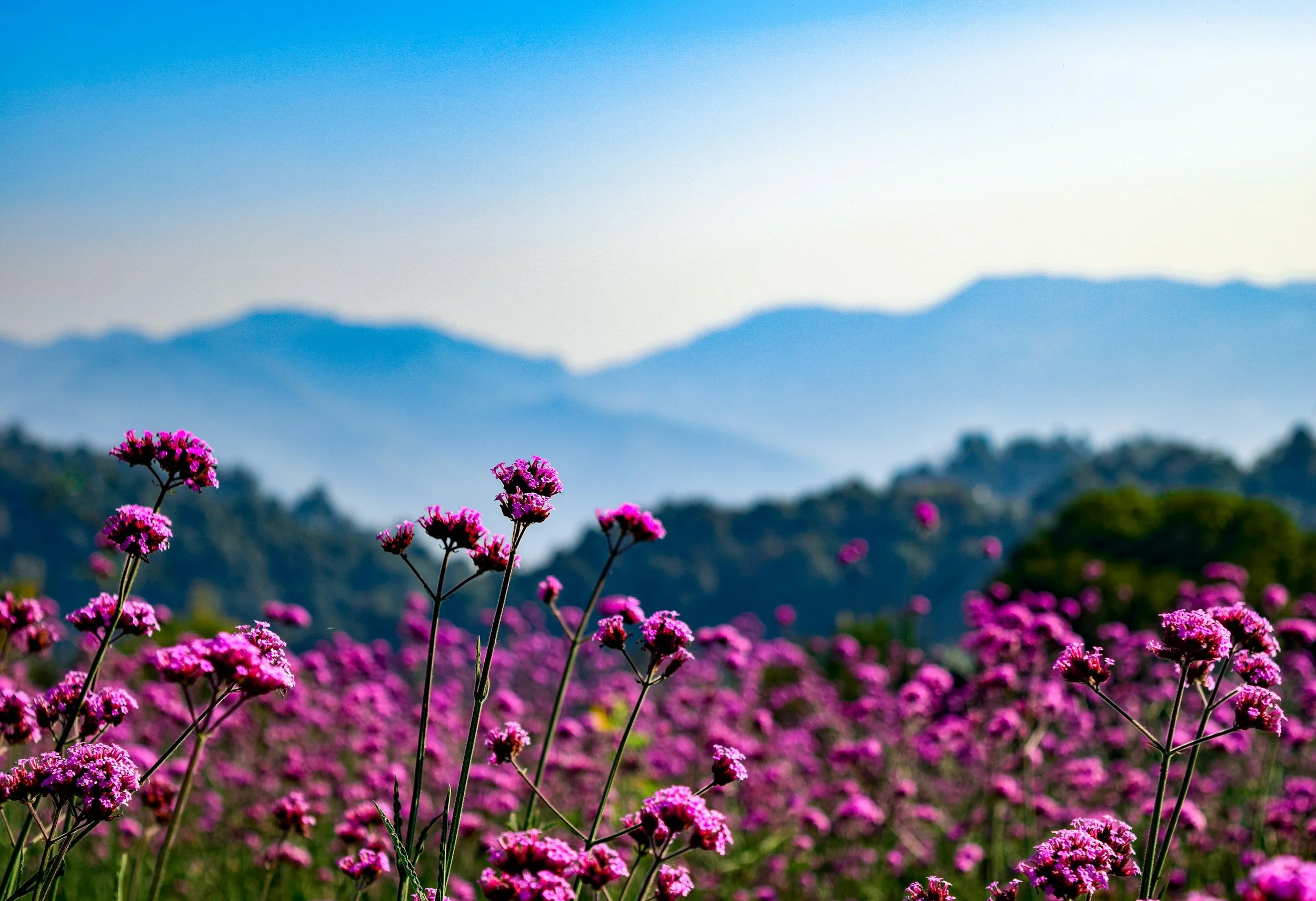
The flower valley was a gift from the Devas, or higher beings, to this great sage beyond time and space. These were the flowers that were showered upon him on the day of his realization. These flowers took root in this dimension to remind humanity of this Yogi, who out of compassion took another birth to help humanity understand their dharma.
A land of endless meadows, with insurmountable snowcapped peaks bearing icy glaciers that burst into streams, and a background of birdsong. Flowers carpet the entire valley and the leaves form a porous umbrella.
Tirath Siri Hemkunth Sahib—
Vortex Centre & 10th Gate of Mother Earth
Right under the location of Siri Hemkunth Sahib runs one of the most important energetic nerve channels of the earth, known as the Sushmana. It is the spiritual nerve of Mother Earth, source of all life on the planet, and it sustains the balance of the polarities and the electromagnetic field of the earth.
Where this nerve ends is known as the 10th gate, the exact location of Rishi Dushat Daman’s meditative space. It is so potent that pranic beams radiate at all times from the seven surrounding peaks to keep it intact.
Sarovar Siri Hemkunth Sahib
The Healing Lake
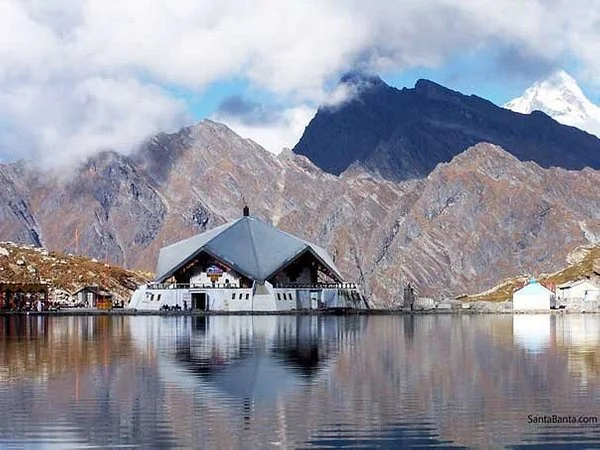
The Healing Lake which still exists today was manifested by Rishi Dushat Daman from the ethers. It witnessed the great phenomenon when Rishi Dushat Daman merged into infinity. The healing waters absorbed that imprint into its memory giving it the power to heal on many levels.
The Devas love the lake so much that until today there are stories of these higher beings who make a yearly pilgrimage just to take a dip in the sacred lake of Rishi Dushat Daman.
Encircled by seven snow clad peaks and their associated glaciers, it reflects its surroundings enchantingly on its crystal clear serene waters. The glaciers from HathiParvat and Sapt Rishi peaks feed the lake and a small stream called Himganga flows out of this lake.
Sapt Rishi Peaks
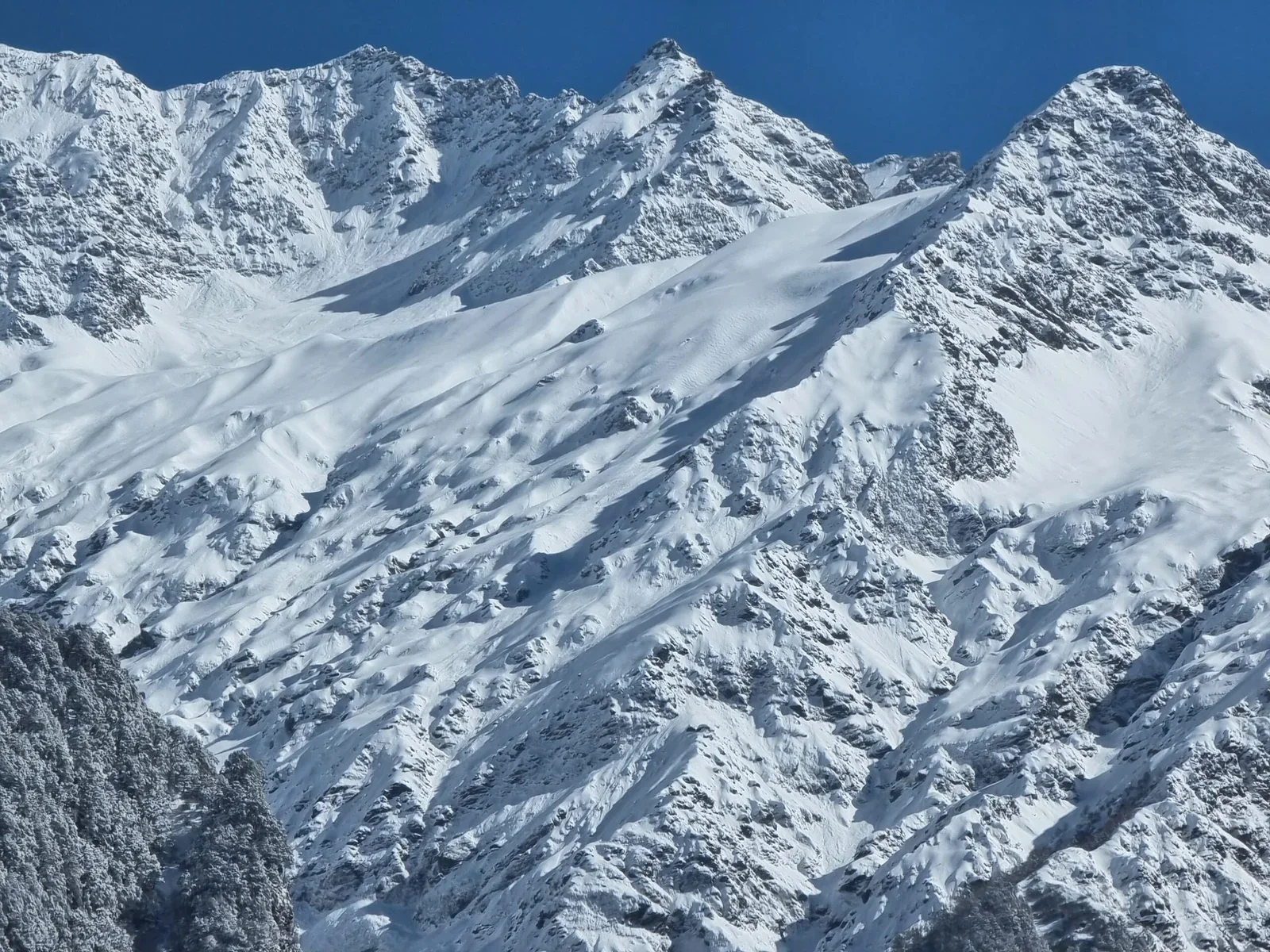
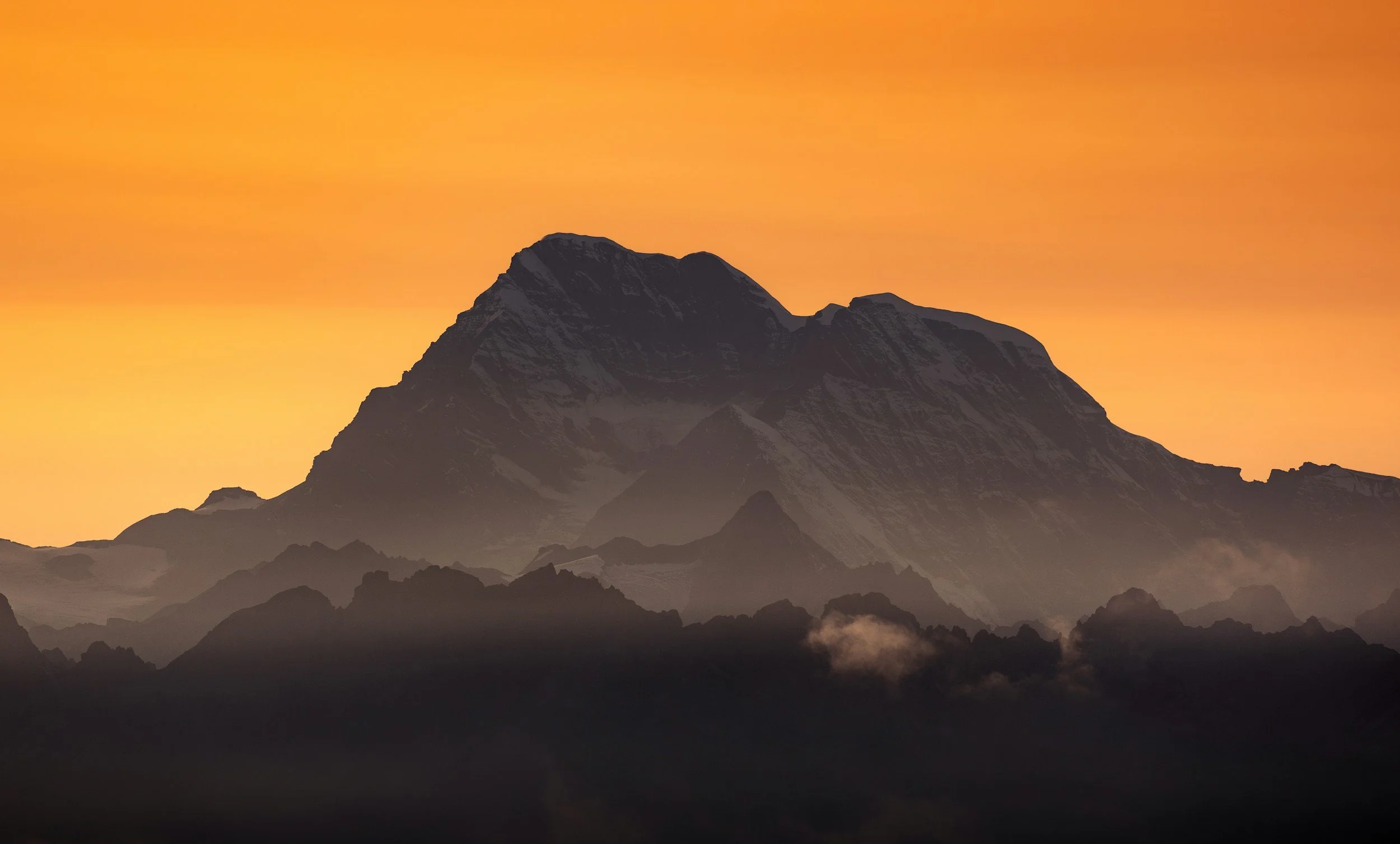
The seven peaks are named after the seven primal sages, known as Sapta Rishi. They are known as the primal masters of the entire humanity. In the beginning of time, the first yogic science was transmitted to them on these seven peaks by Shiva himself. After having received this transmission, they travelled to different ancient civilization transmitting the wisdom, which includes India, China, Europe, Mayan land and Africa.
Sacred Yatra Purpose
Carrying forward the sacred lineage of Sri Singh Sahib Yogi Bhajan, Yogi Amandeep guides seekers on this Yatra, a profound journey of self-discovery, spiritual awakening, and inner transformation.
PART II — THE JOURNEY EXPERIENCE & ITINERARY
Travelling to Siri Hemkunth Sahib — Overview
Hemkund Sahib is located in Uttarakhand, India, with a setting of a glacial lake surrounded by seven mountain peaks. It is located in the Himalaya Mountains at an elevation of 4632 meters (15,200 ft). It is accessible only by foot from Gobindghat on the Rishikesh-Badrinath highway.
Getting to Haridwar
-
Participants would arrive at New Delhi International Airport.
You can take a domestic flight, train, taxi or bus to Haridwar, where we would all meet. We strongly suggest you take a flight or hire a taxi as it is faster and very affordable.
-
From New Delhi, you would fly to Dehradun Airport. From the airport, taxis are available to the meeting place hotel. It takes about 30 minutes to drive to the hotel from the airport.
For more details:
http://www.rome2rio.com/s/Delhi-Airport-DEL/Haridwar
https://www.rome2rio.com/s/Nearby-Airports/Haridwar
http://www.haridwartourism.in/How-To-Reach/Jolly-Grant-Airport-Dehradun.html
-
Taxis are available from the airport itself. It takes about 3½ hours to drive to Haridwar.
India Taxi Online www.indiataxionline.com
Delhi to Haridwar Taxi +91-11-65686666, +91-9540000804
New Delhi to Haridwar
09711823208, 09458900168
Dehradun Airport to Haridwar 09690749753
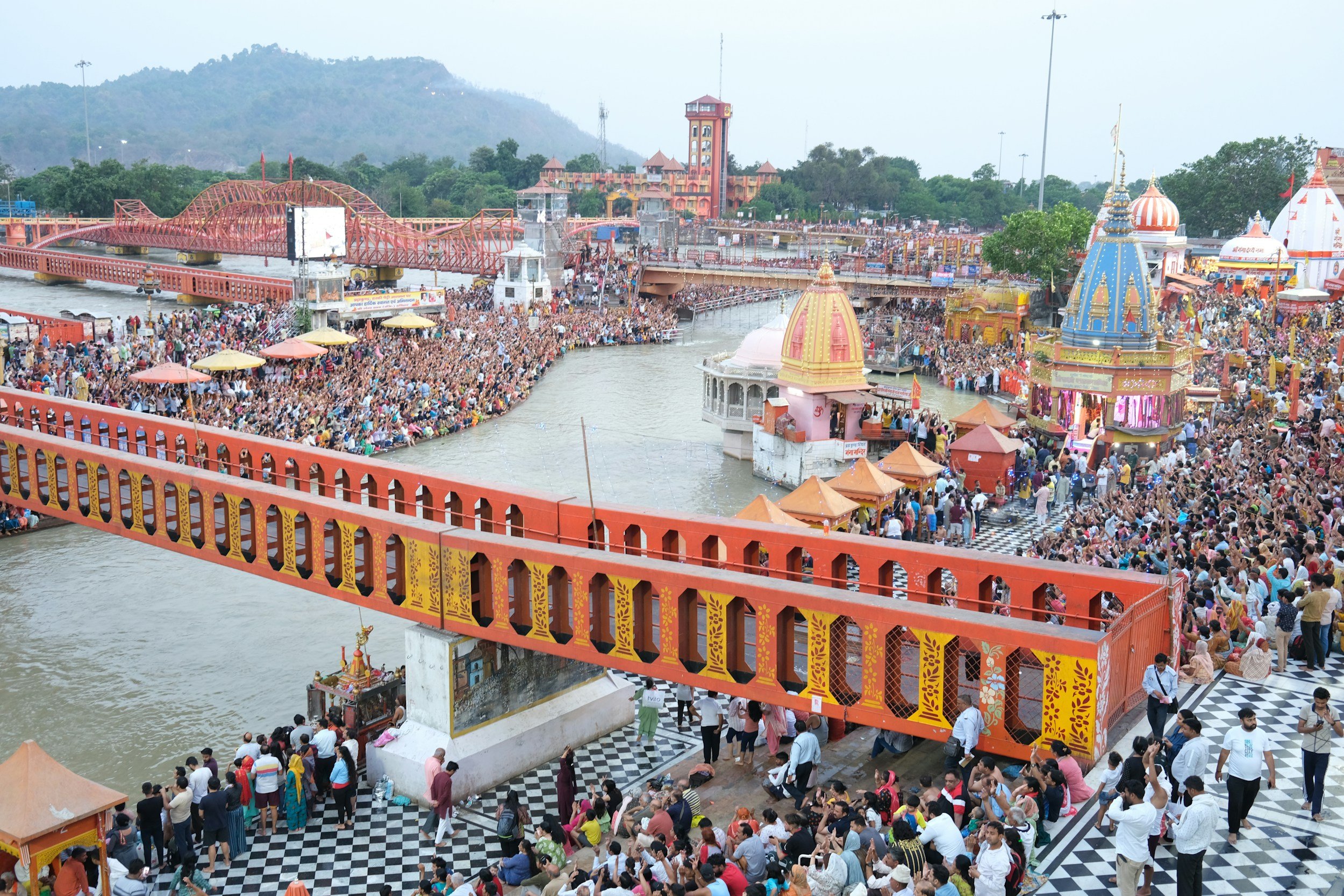
Haridwar
Haridwar Sacred Gathering
Our meeting place is Haridwar. (Hotel Address would be updated soon)
Haridwar is the place where the river Ganges enters the plains after flowing 250 kms from its origin Gaumukh. It is one of the oldest living cities in the world.
We would be visiting a number of shrines dedicated to Baba Sri Chand and Guru Nanak in Haridwar and meeting with the ancient lineage holders of various Yogic traditions. A bath in the sacred river Ganges, the waters of which have witnessed millions of enlightenments of some of the greatest yogis of the world.
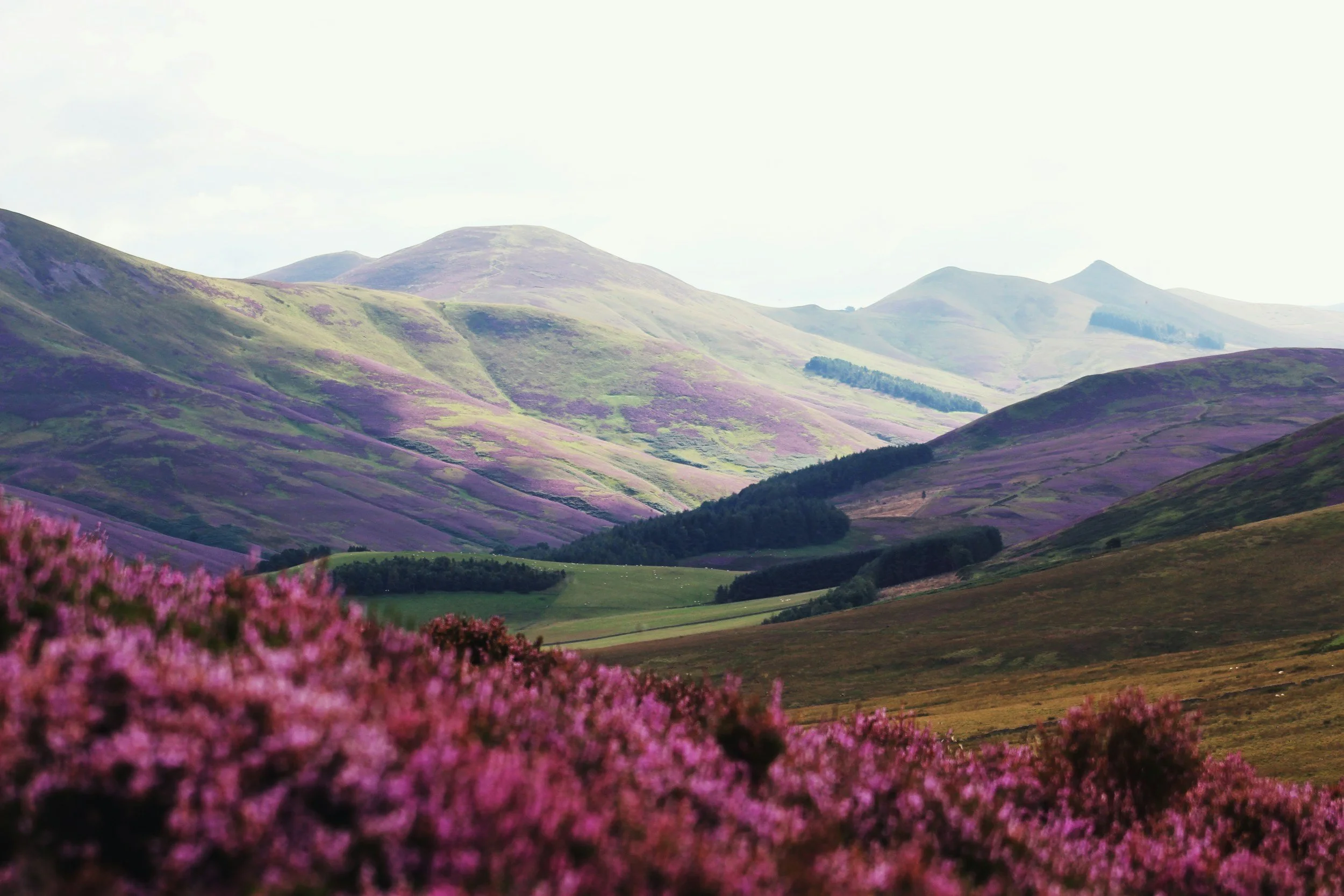
Tenting / Meditation / Sadhna — Flower Valley
There are about 520 species of flowering plants and the area was declared a National Park in 1982. Animals like Himalayan black bears, musk deer, brown bears, Bharal and a rich variety of birds and butterflies are found in this national park.
Legend has it that a flower called Brahma-Kamal blossoms here every 12 years.
Once a lifetime opportunity to sit in the lap of the mighty living Himalayas and doing the highest practice, Kundalini Yoga & Meditation.
We would be doing a 3 day tenting in this sacred valley of Rishi Dushat Daman.
Himalayan Travel Progression
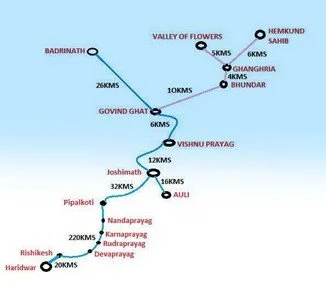
After the celebrations we would start our journey through towns of Rishikesh, Joshimath, Badrinath, GobindGhat etc. The journey offers a unique glimpse of centuries old history, culture and traditions in the backdrop of breathtaking Himalayan scenery.
We would be staying at various sacred sites. Accommodation would be in hotels except for Flower Valley, where we would be tenting.
PART III — PARTICIPANT PREPARATION
Distances and Altitudes
-
265 km by road, 12 hours
GobindGhat — 1828 m altitude -
13 km by footpath, 4 to 7 hours
GobindDham — 3049 m altitude (~10000 ft) -
6 km by footpath, 2 to 4 hours
Hemkund Sahib — 4329 m altitude (~15000 ft) -
5 km by footpath, 2 hours
Valley of Flowers — 3500+ m altitude
Attire & Equipment
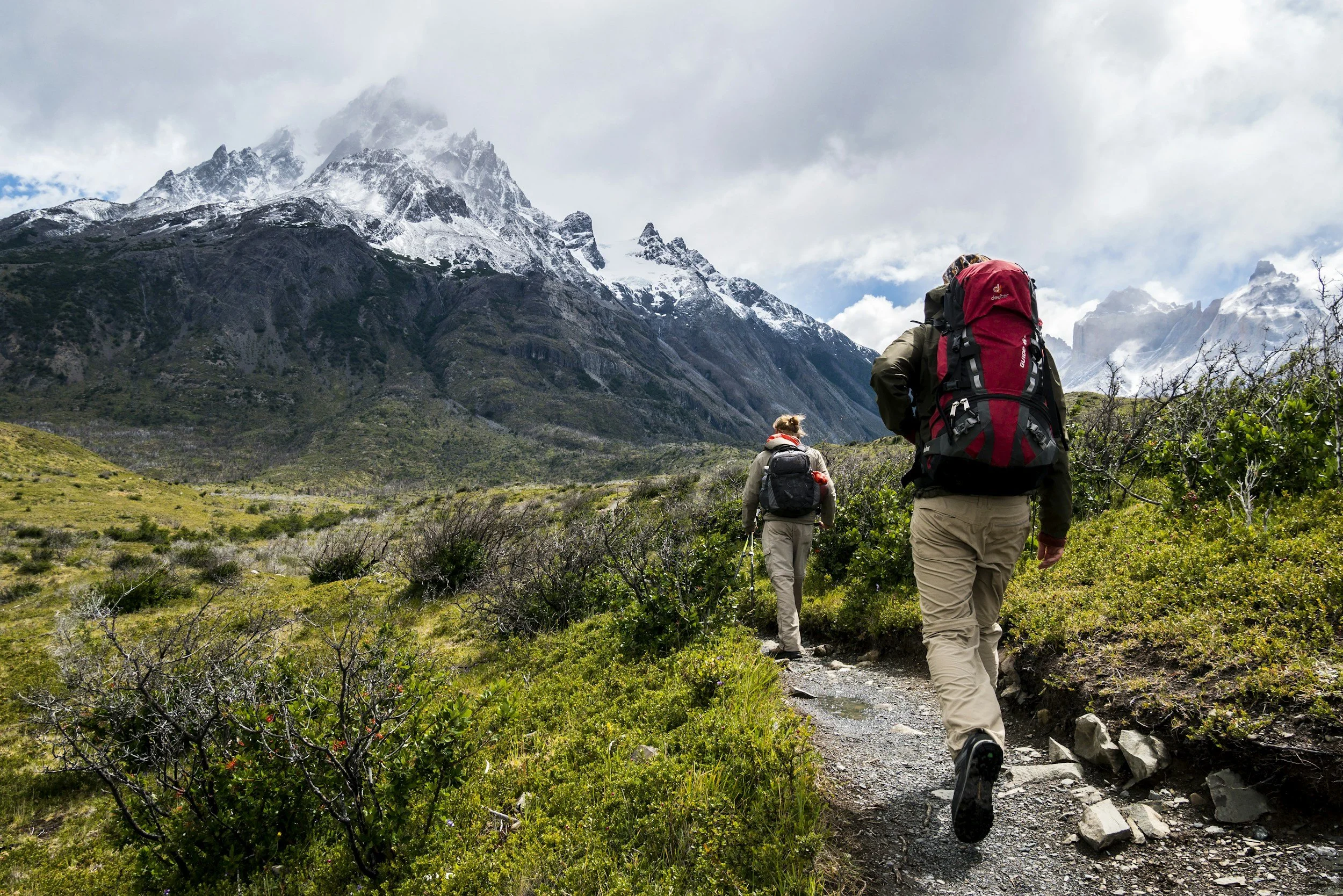
Bring good footwear for walking. Waterproof hiking boots with ankle supports are best. At times it is necessary to walk across snow. There may also be muddy or washed-out sections of the path.
Be prepared for bad weather. The temperatures at GobindDham and Hemkund can be very cold. Dress in layers which can be added or removed depending on conditions.
Bring woollen clothing, waterproof jacket, rain pants if possible, head covering, gloves, and warm socks.
Dress lightly when you begin the trek at GobindGhat. Change to warm dry clothes when arriving in GobindDham. When going to Hemkund, bring an extra sweater or shawl.
Raincoat is essential.
Required Items:
Hiking boots with Vibram sole or sturdy shoes
Base layer, fleece jacket or pullover OR down jacket
Windproof/waterproof shell
Wool socks and liner socks
Warm hat
Gloves
Polyester blend hiking pants
NO Cotton garments. Cotton kills. When wet it can cause hypothermia and does not dry quickly. Synthetic fabrics are best for trekking.
Things to keep in mind
-
Do some sort of training before coming. Walking, hiking, bicycling to get in shape. You will be climbing high altitude.
-
Flashlight or headlamp
Backpack for gear and clothing layers
Water bottle
-
Always carry a torch or flashlight if walking after sunset or before sunrise. Carry one when visiting Siri Hemkunth Sahib as journeys can take longer than expected and return may occur after dark.
-
Carry glucose, sweets, dried fruits and nuts for energy during the trek. Always carry water. Dehydration occurs easily during strenuous exercise.
Using a walking stick helps maintain balance and rhythm.
-
Bring pain killers, antibiotics, cough medicine, breathing apparatus (if used), stomach remedy, gauze, tape, and bandages.
Government doctors are available in GobindGhat and GobindDham, army dispensaries exist in gurudwaras, and an army hospital is in Joshimath. Medical care remains very basic and limited.
PART IV — TREK ROUTE & PILGRIMAGE MOVEMENT
GobindGhat — Beginning the Foot Journey
We would be starting our journey on foot from GobindGhat as early in the morning as possible. The journey by foot to GobindDham takes approximately 5 to 7 hours. By pony or mule it takes 4 hours.
The path from GobindGhat to GobindDham is approximately 12 km. It zig-zags up a steep hillside for the first 2 km, then levels out.
Pulna village (2,104 m) is visible 3 km above GobindGhat and is winter residence of valley inhabitants. From Pulna it is 5 km to Bhyundar (2,592 m). Crossing Lakshman Ganga bridge indicates only 3 km remain to GobindDham.
Gobind-Dham
Food and goods selection is limited because all supplies are transported by mule or porter. Prices can be high.
A private company pitches tents for accommodation. We would be tenting here.
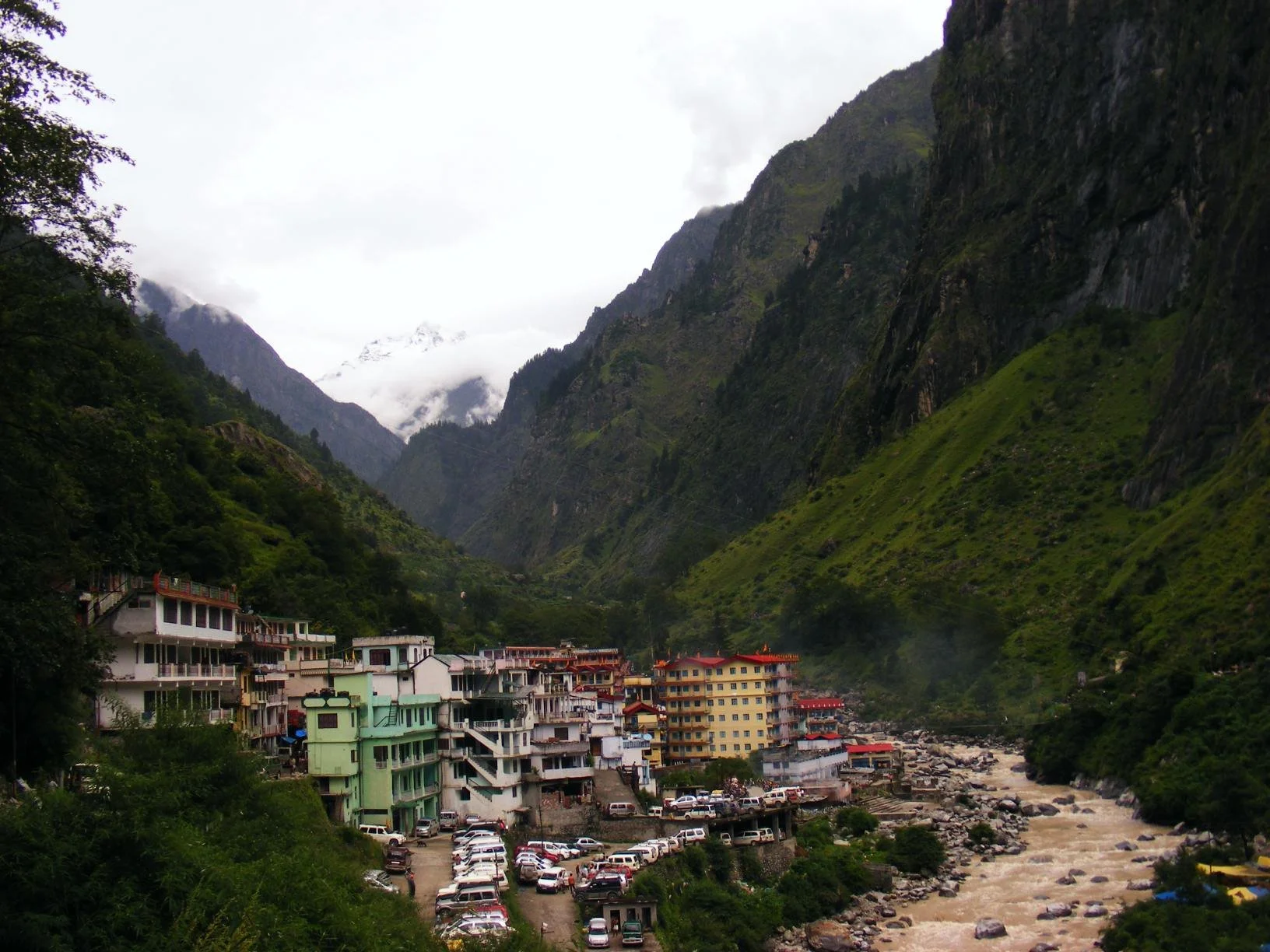
Experience at Siri Hemkunth Sahib
Tea is available continuously in the Gurdwara. If planning to bathe in the lake, do it before taking tea and before body temperature cools from climbing.
Men and women take sacred dips on separate sides of the lake.
Facilities exist to check shoes before entering the Gurdwara. Remove footwear on lower storey, cover head, and climb cement steps.
Sri Guru Granth Sahib is enshrined under a brass canopy. Blankets are available for visitors.
Morning chanting ends around 10:00 a.m. with Ardas and again at 1:00 p.m. daily. Kirtan continues throughout the day. Langar of tea and Khichri is served following Ardas.
Weather conditions are unpredictable. Begin descent to GobindDham early. Descent takes 1 to 2 hours, possibly longer with rest or difficult trail conditions. Sunset occurs around 6 p.m.
Journey from GobindDham to Hemkund Sahib
The journey to Hemkund Sahib can take as little as 1½ hours or as much as 6 hours. Average journey is 3 to 4 hours.
Because of uncertain weather conditions, departure from GobindDham should occur early. We would be starting between 5 and 6 a.m.
The path from Ghangaria to Hemkund is approximately 6 km.
PART V — SAFETY, HEALTH & ENVIRONMENTAL RESPONSIBILITY
IMPORTANT!
-
Landslides are common along motor roads during rainy season (July and August) and may delay travel.
Walk on the inside of paths to avoid being knocked off edges by mules, cows, sedan chairs, or other travelers.
-
Altitude sickness is a serious risk.
Health Tips:
Spend as much time as possible acclimatizing in the hills before ascending to Siri Hemkunth Sahib.
Avoid becoming chilled or dehydrated. Dress warmly and drink tea, water, juice, or soft drinks.
Avoid over-exertion.
Watch for symptoms:
Headaches
Difficulty breathing
Cold extremities
Dizziness
Disorientation
Vomiting
If symptoms occur, immediate descent is required. Altitude sickness can be life-threatening. Symptoms usually improve quickly once lower altitude is reached.
-
Garbage disposal facilities are limited along the route. Avoid throwing wrappers, juice boxes, plastic raincoats, and other waste along the path. Use garbage cans if available.
Participants are asked to carry back all wrappers, containers, and bottles from consumed food and drink.
-
There are no bathroom facilities between GobindGhat and GobindDham, or between GobindDham and Hemkund. At Hemkund facilities are limited and located down a staircase from the lake.
Participants are requested to use these facilities to avoid polluting the holy lake.
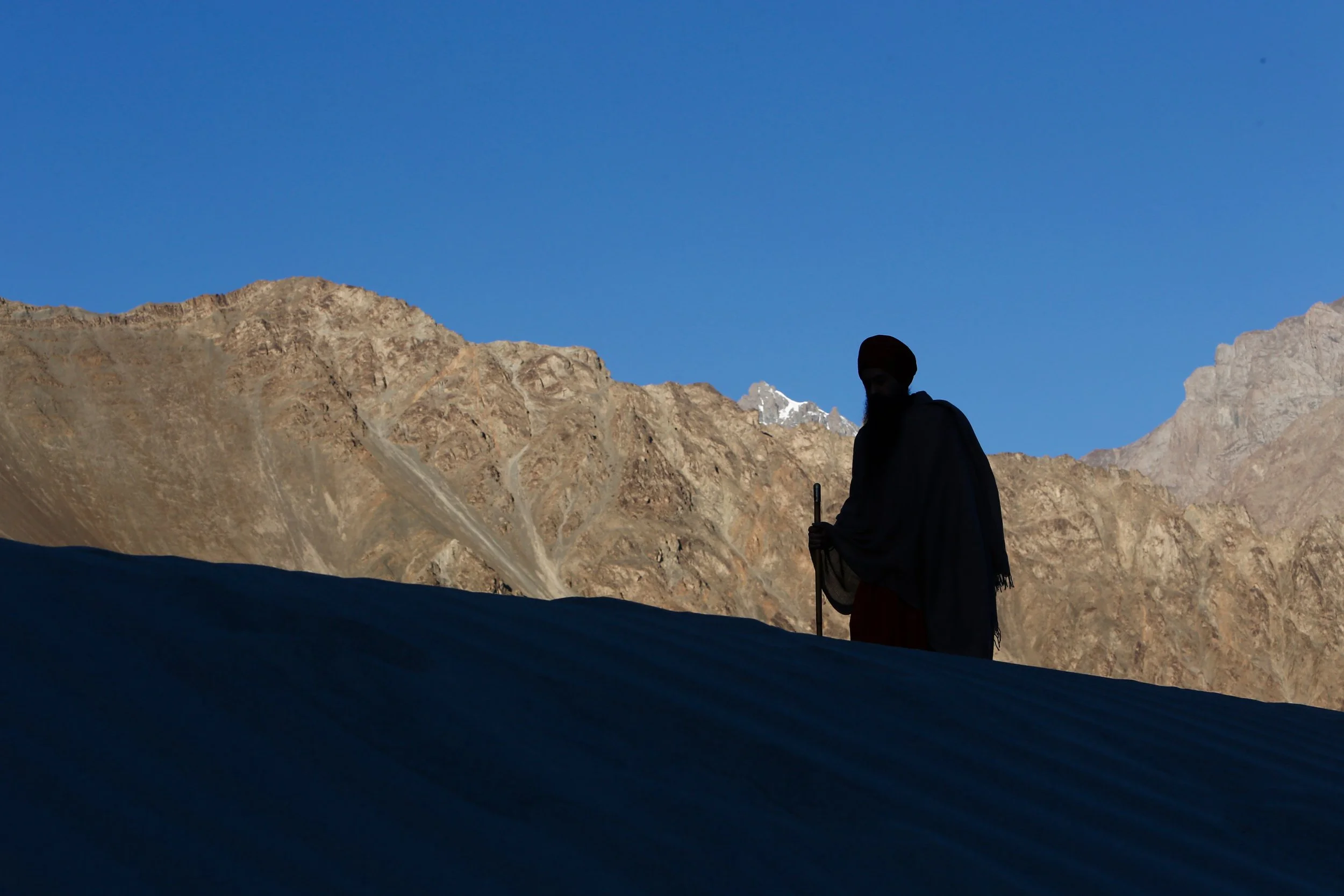
“Connect with the mountains, the peaks, the trees. They are most conscious yogis on the planet earth. You would find “Yoga” here, everywhere, the trees are standing in tree poses, the mountains are in mountain poses, the clouds are in Simran; constant remembrance.
The idea to come here is to sit in their lap, it’s called Satsangh; to sit in the company of those who have dissolved. Those who have stopped in the present moment, those who have sat still, no movement, only beingness, only pure presence remains.
Let me introduce you to these beings, who have been worshiped by the ancient ones as Gods.”
-Yogi Amandeep